The Story Behind Tanghulu: A Sweet Crunch Craze
8/23/20257 min read
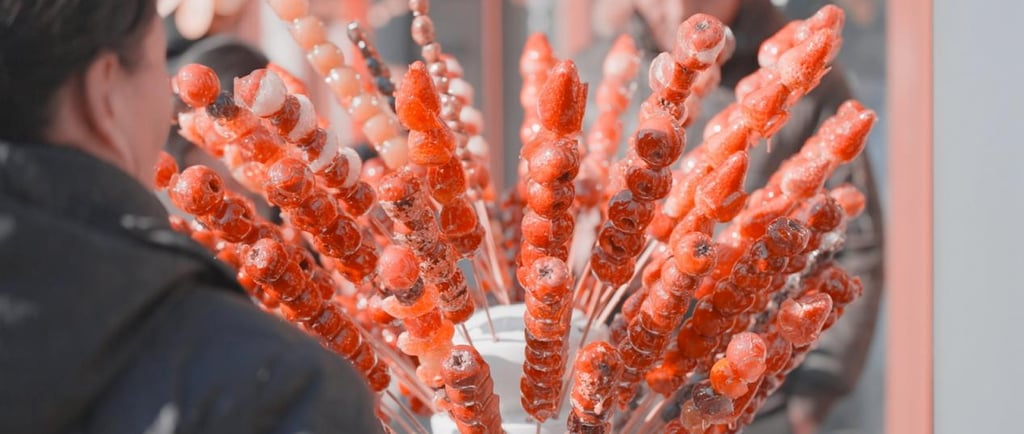

Introduction to Tanghulu
Tanghulu, a delightful confection originating from imperial China more than 800 years ago, is a traditional snack that continues to captivate taste buds across the globe. Traditionally, tanghulu consists of fresh fruit, most commonly hawthorn berries, which are coated in a glossy layer of hardened sugar syrup. This unique blend of crunchy and sweet offers a truly sensory experience, making it an enduring favorite among those who enjoy diverse culinary treats.
The origins of tanghulu can be traced back to the Song Dynasty when it was primarily prepared as a remedy for minor ailments by wrapping medicinal fruits in sugar. Over time, the dish evolved into a beloved street food, primarily enjoyed by children and families during festivals and fairs. Its history is rich, intertwining with Chinese cultural tradition, reflecting the heritage of food craftsmanship passed down through generations.
The combination of its deep-rooted history and contemporary social media presence has transformed tanghulu from a traditional snack into a modern-day culinary phenomenon. As food culture continues to evolve, tanghulu stands as a testament to the fusion of tradition and innovation, enticing a new generation of consumers eager to experience its unique texture and flavor.
The Cultural Significance of Tanghulu
Tanghulu, a traditional Chinese snack made from fruit coated in hardened sugar syrup, embodies a rich cultural heritage that dates back to the Song Dynasty (960-1279 AD). Initially enjoyed as a remedy for ailments, it quickly evolved into a beloved treat with both historical and cultural relevance. Its popularity surged as vendors began selling it in bustling markets, where the vibrant colors and enticing sweetness attracted people of all ages.
Within the cultural milieu of China, tanghulu holds a special place during festivals, particularly the Lunar New Year. Families and friends partake in the ritual of preparing and sharing tanghulu, symbolizing good luck and prosperity for the year ahead. The round shape of the coated fruit, often skewered on bamboo sticks, is indicative of unity and completeness, essential elements in the fabric of Chinese tradition. As a result, tanghulu is not merely a snack; it represents the interconnectedness of community and celebration across generations.
The resurgence of tanghulu in modern gastronomy can be attributed to its nostalgic value and its ability to bridge the past with contemporary culinary trends. This heritage snack has captivated younger generations, leading to innovative interpretations while honoring traditional methods of preparation. The blend of history, cultural narratives, and festive celebration underscores the enduring appeal of tanghulu in Chinese society, making it a noteworthy gastronomic delight.
The Viral Sensation: Tanghulu on Social Media
Tanghulu, the traditional Chinese candy made by coating fruits in hardened sugar syrup, has surged in popularity, particularly across social media platforms such as TikTok. This delectable treat has captured the attention of users globally, leading to a phenomenon where videos of tanghulu preparation, tasting, and innovative twists have gone viral. One primary factor contributing to its rise is the visual appeal of tanghulu itself. The glossy, transparent sugar glaze encasing brightly colored fruits makes for captivating content, perfect for the short-form video format that platforms like TikTok promote.
Challenge trends play an essential role in the tanghulu craze. Users engage by creating their own versions of the traditional recipe, experimenting with different fruits and flavor combinations. This interaction not only broadens the audience but also encourages creativity, resulting in a multitude of interpretations and adaptations of the classic treat. Some creators have incorporated unusual fruits such as kiwi and even savory items, demonstrating tanghulu's versatility and capturing viewers’ interests through innovative culinary adventures.
The user-generated content surrounding tanghulu does not just stop at preparation. Many TikTok users document their tasting experiences, often emphasizing the satisfying crunch of the sugar coating against the sweetness of the fruit. Such relatable and engaging content fosters a communal atmosphere, inviting others to join in on the fun of preparing and enjoying tanghulu. The flavor-packed, visually striking nature of this treat supports its shareability, which rapidly amplifies its reach and helps create a diverse range of content centered around it.
Overall, the blend of traditional culinary art and modern social media engagement has solidified tanghulu's status as a viral sensation, encapsulating not just its taste but also the joy of creating and sharing food experiences with a broader audience.
Making Tanghulu: The Recipe and Process
Tanghulu, a traditional Chinese snack, has gained popularity due to its enticing appearance and delightful crunch. To replicate this delicacy at home, you will need a few key ingredients: fresh fruits, granulated sugar, and water. Common fruit choices include strawberries, mandarin slices, or hawthorn berries, but feel free to experiment with your favorites.
Begin by preparing your fruits. Thoroughly wash and dry them to ensure the sugar syrup adheres properly. If using larger fruits, cutting them into bite-sized pieces may enhance their appeal and make for easier handling. On to the syrup! In a saucepan, combine approximately 2 cups of granulated sugar with 1 cup of water, stirring gently until the sugar dissolves. To achieve that signature crackling sound when biting into tanghulu, it is crucial to apply the right heating technique.
Heat the mixture over medium-high heat. Allow the syrup to boil without stirring, as this could lead to crystallization. Monitor the temperature closely, aiming for a range of 300°F to 310°F (149°C to 154°C), the hard crack stage. Utilizing a candy thermometer can help ensure accuracy. Once the desired temperature is reached, promptly remove the saucepan from the heat source.
Now comes the fun part—dipping! Insert skewers into the prepared fruits, then dip each skewer into the syrup, ensuring they are evenly coated. Allow them to sit briefly in the syrup to let excess drip off before placing them on a parchment-lined baking sheet to cool. The cooling process is essential, as it solidifies the sugar and creates that sought-after crunch. For best results, let them cool completely at room temperature. Adding a sprinkle of sesame seeds or nuts before the syrup sets can enhance both flavor and presentation.
With these steps, aspiring chefs can recreate the tangy and crispy indulgence of tanghulu right in their kitchens. This playful and delectable treat is sure to impress family and friends alike.
Science of Crunch: Understanding the Candy Shell
The candy shell that encases tanghulu is a marvel of culinary chemistry, primarily defined by the processes of sugar crystallization and caramelization. Achieving the perfect crunch requires a precise combination of temperature and sugar concentration, leading to a unique texture and flavor profile that defines this delightful treat.
When sugar is heated, it undergoes a series of transformations. Initially, the sugar melts and transitions into a syrup, which can be further cooked to various stages. The ultimate goal is to reach the hard crack stage, around 150°C (302°F). At this temperature, the syrup loses moisture, resulting in a product that, upon cooling, hardens to form a crunchy shell. The key lies in carefully controlling this temperature; exceeding it can lead to burnt flavors, while undercooking can prevent proper hardening.
Additionally, the ratio of sugar to water plays a crucial role in determining the outcome of the candy shell. A higher sugar concentration typically yields a firmer shell, while a more diluted mixture can lead to a more fragile texture. Even minor variations in this ratio can significantly impact the final result, explaining why some recipes may falter. For instance, too much water can produce a saccharine, pliable shell, diverging from the desired crunch.
Moreover, the cooling process influences the structure of the candy shell. Rapid cooling can promote crystallization, enhancing the crunch factor, while slow cooling might lead to an undesirably soft texture. Consequently, achieving the perfect tanghulu shell is both an art and a science, necessitating a harmonious balance of temperature control, sugar concentration, and cooling techniques. This complexity is what makes tanghulu a celebrated sweet treat, merging culinary innovation with traditional flavors.
Experiencing Tanghulu: A Tasting Guide
Tanghulu, the traditional Chinese candied fruit on a stick, has gained popularity for its delightful blend of flavors, textures, and visual appeal. To fully appreciate this unique treat, it is essential to explore the variety of fruits and toppings that can elevate the tanghulu experience. Commonly used fruits include strawberries, grapes, and hawthorn berries, each providing a distinctive balance of sweetness and tartness. Ripe bananas and fresh kiwi also make excellent choices, offering creaminess and vibrancy, respectively.
When preparing tanghulu, the fundamental candy coating is usually made from sugar, which is heated until it reaches a syrup-like consistency. This syrup forms a shiny, glassy shell around the chosen fruit. Experimenting with different sugar bases, such as honey or agave, can cater to those with specific dietary preferences, adding a twist to the classic flavor profile. Moreover, chocolate drizzling or sprinkling crushed nuts on the finished tanghulu can enhance both taste and texture, introducing a rich depth and satisfying crunch that complements the fruit.
The sensory experience of enjoying tanghulu encompasses more than just flavor—texture plays a significant role as well. The crisp outer layer contrasts beautifully with the soft, juicy fruit inside, making each bite a delightful combination of crunch and succulence. Additionally, the eye-catching presentation of colorful fruits enrobed in shiny syrup creates an enticing visual appeal that invites indulgence.
To fully embrace the tanghulu experience, try pairing different fruits and toppings to accommodate various tastes. Whether you prefer a fruit medley bursting with flavor or a straightforward classic, there are endless combinations to discover. With its delightful balance of sweetness, crunch, and vivid presentation, tanghulu is a treat that can cater to every palate.
Tanghulu and Future Trends
The allure of tanghulu, a traditional Chinese snack made from skewered fruits coated in hardened sugar syrup, is witnessing a significant resurgence. As it continues to captivate taste buds around the globe, the future of tanghulu presents exciting possibilities for culinary innovation and market expansion. The convergence of traditional recipes and modern culinary techniques is likely to give rise to a myriad of creative tanghulu adaptations that appeal to diverse consumer preferences.
As global food trends shift towards healthier and more sustainable options, tanghulu stands at the crossroads of innovation. By incorporating various fruits, such as berries, citrus, and even exotic options like dragon fruit, producers can cater to health-conscious consumers seeking both flavor and nutrition. In addition, the movement towards organic and locally sourced ingredients can further enhance the appeal of this sugary delicacy, promoting a more sustainable approach to snack food production.
Moreover, as culinary fusion continues to influence the gastronomic landscape, we might anticipate the emergence of unique tanghulu varieties that blend traditional flavors with contemporary influences. Imagine tanghulu infused with matcha or drizzled with dark chocolate to cater to cacao enthusiasts. Such innovations can attract broader demographics, including younger consumers looking for trendy and Instagram-worthy snacks.
Consequently, the snack food industry stands to benefit from tanghulu’s growing popularity. The potential for commercial developments extends to mass production, where artisanal tanghulu creators might collaborate with brands to produce packaged versions that maintain the brand's authentic essence. Similarly, navigating digital platforms for promotion and sales can propel tanghulu beyond its conventional boundaries, reaching an international audience eager for new snack experiences.
In the face of evolving consumer preferences and technological advancements, tanghulu represents not only a delightful treat but also a canvas for creative expression in the culinary arts. This rich potential signifies that tanghulu is more than just a snack; it could well become a cultural phenomenon that resonates across global markets, integrating into the childhood memories of one and another generations again.
Source
Beiming, Fan, "不考虑物种的话,我打算嫁给北方的冰糖葫芦", December 8, 2023, m.guokr.com/article/464852/ (image)
"《人生一串》一串冰糖葫芦,串起京津冀三地幸福生活", hebtv, Nov. 27, 2024, www.hebtv.com/0/0rmhlm/qy/jswh/whFUN/11700195.shtml (image)
"Working with Sugar: the Magic of Crystallization", Wekiva Culinary, Oct. 17, 2021, www.wekivaculinary.org/working-with-sugar-the-magic-of-crystallization/